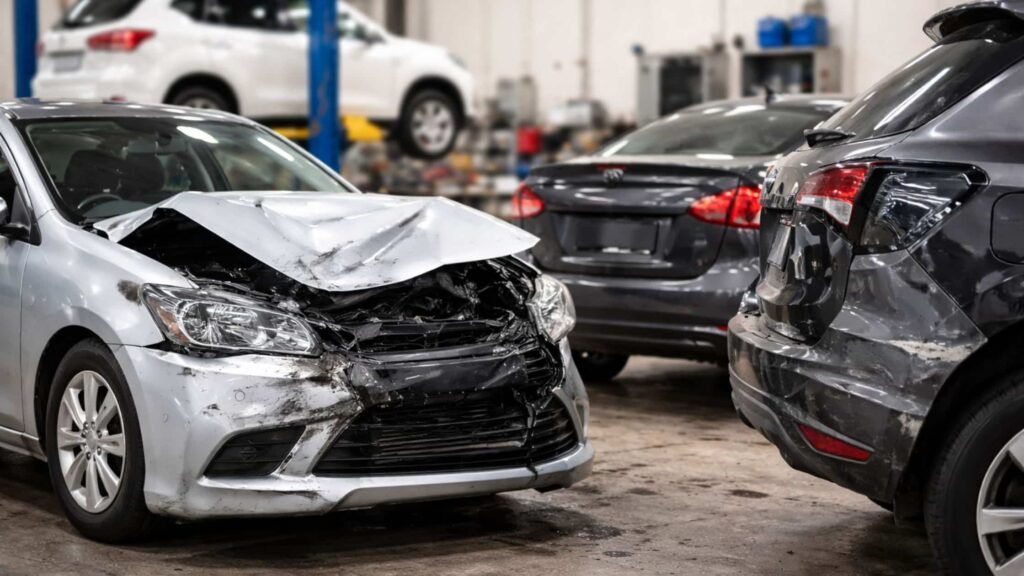
If your car has been in an accident, getting it repaired doesn’t necessarily restore its full value. Even when the damage is fixed properly, the vehicle’s market value usually drops.
That’s because buyers often prefer cars with a clean history and may hesitate to purchase a vehicle that has been in a collision.
This loss in value is called diminished value.
In this guide, we’ll break down the three main types of diminished value and explain how each one affects your vehicle.
What Is Diminished Value?
Diminished value refers to the reduction in a vehicle’s market value after it has been damaged and repaired following an accident.
Even if repairs restore the vehicle to its original condition, the accident history recorded in vehicle reports (such as Carfax or AutoCheck) often reduces buyer confidence. As a result, the car typically sells for less than a similar vehicle that has never been involved in a collision.
Diminished value claims allow vehicle owners to seek compensation for this loss, typically from the at-fault driver’s insurance company.
What are the Types of Diminished Value?
There are three recognized categories of diminished value in auto insurance and vehicle appraisal. Each type represents a different stage of value loss.
- Immediate Diminished Value
- Inherent Diminished Value
- Repair-Related Diminished Value
1. Immediate Diminished Value
Immediate diminished value refers to the loss in a vehicle’s resale value immediately after an accident occurs, before any repairs are completed.
This value reflects the difference between:
- The car’s market value before the accident
- The value of the damaged vehicle before repair
Example
If a car was worth $30,000 before the accident and its damaged value is estimated at $18,000, the immediate diminished value is $12,000.
Key Characteristics
- Occurs right after the accident
- Calculated before repairs begin
- Represents the vehicle’s damaged market value
Why It Matters
Although immediate diminished value is important in theoretical valuation, it is rarely used for insurance claims because insurers usually focus on the vehicle’s value after repairs are completed.
2. Inherent Diminished Value
Inherent diminished value is the most common type used in diminished value claims.
It refers to the loss in value that remains after a vehicle has been fully repaired. Even when repairs are performed perfectly using OEM parts and professional workmanship, the vehicle will still be worth less because it now has an accident history.
Example
Pre-accident value: $30,000
Value after professional repair: $26,000
The inherent diminished value is $4,000.
Why It Happens
The loss occurs because:
- Accident history appears on vehicle history reports
- Buyers perceive repaired vehicles as a higher risk
- Dealers offer lower trade-in values for accident vehicles
Why It Matters
This is the type most commonly claimed through insurance diminished value claims, especially when another driver was at fault.
Many insurance companies use formulas like the 17c diminished value formula, although it is often criticized for undervaluing claims.
3. Repair-Related Diminished Value
Repair-related diminished value occurs when the quality of the repairs themselves reduces the vehicle’s value.
This happens when repairs are improper, incomplete, or visibly noticeable.
Examples of Poor Repairs
- Mismatched paint color
- Misaligned body panels
- Aftermarket parts instead of OEM parts
- Structural damage not fully restored
- Frame issues or improper welding
Example
If a car was worth $30,000 before the accident and after poor-quality repairs, it can only sell for $23,000; part of the loss may be due to repair-related diminished value.
Why It Matters
Repair-related diminished value can often be addressed by:
- Requesting additional repairs
- Filing a complaint with the repair shop
- Seeking compensation through insurance or legal channels
What Are the Differences Between the Three Types?
Immediate diminished value is the loss in value right after an accident, before repairs. Inherent diminished value is the value loss that remains after proper repairs due to accident history.
Repair-related diminished value occurs when poor or incomplete repairs further reduce the vehicle’s value.
| Type | When It Occurs | What Causes the Value Loss | Used in Insurance Claims |
| Immediate Diminished Value | Right after the accident | Damage before repair | Rarely |
| Inherent Diminished Value | After proper repairs | Accident history stigma | Most common |
| Repair-Related Diminished Value | After poor repairs | Visible or structural repair issues | Sometimes |
Which Type of Diminished Value Is Most Common?
Among the three categories, inherent diminished value is the most commonly claimed and recognized type.
This is because:
- Most vehicles are repaired correctly
- Insurance companies assume repairs restore functionality
- The remaining loss comes from the accident history on vehicle reports
As a result, most diminished value claims focus on proving how much value the accident history has reduced.
What Are the Factors That Affect Diminished Value?
Not every vehicle loses the same amount of value after an accident. Several factors can influence the amount of diminished value.
1. Vehicle Age: Newer vehicles typically experience higher diminished value losses.
2. Vehicle Condition Before the Accident: Well-maintained vehicles with clean history reports lose more value when an accident occurs.
3. Severity of Damage: Frame damage, structural repairs, and airbag deployment significantly diminish the value.
4. Vehicle Type: Luxury vehicles, sports cars, and newer models tend to suffer greater resale value loss.
5. Quality of Repairs: High-quality repairs reduce additional repair-related diminished value.
Can You File a Diminished Value Claim?
In many situations, vehicle owners may be eligible to file a diminished value claim, particularly when:
- The accident was not your fault
- The vehicle was repaired through insurance
- The car lost resale value due to its accident history
However, laws and insurance policies vary by state and insurer, which can affect eligibility.
How Diminished Value Is Calculated
Diminished value can be calculated using several methods. Independent appraisals often provide more accurate results than insurance formulas.
- Professional appraisal method
- Market comparison method
- Dealer trade-in comparisons
- The 17c formula used by some insurers
How to Protect Your Vehicle’s Value After an Accident
If your car has been in an accident, these steps can help protect its resale value.
1. Choose a reputable repair shop
2. Request OEM parts when possible
3. Keep all repair documentation
4. Get a professional diminished value appraisal
5. File a diminished value claim if eligible
Taking these steps can help recover part of the financial loss caused by the accident.
Check Your Vehicle’s Diminished Value with MyFairClaim
If your car was involved in an accident and wasn’t your fault, you may be entitled to compensation for the loss in its resale value.
At MyFairClaim, we help vehicle owners understand, calculate, and recover their diminished value after an accident. Our tools and experts make it easier to estimate how much your car may have lost in value.
Contact Now to find out your vehicle’s diminished value today.
Use the Free Diminished Value Calculator on myfairclaim.com and see if you may qualify for a claim.
Key Takeaways
Understanding the types of diminished value is essential for anyone dealing with a vehicle accident or insurance claim.
Immediate diminished value reflects the loss before repairs, inherent diminished value represents the unavoidable loss from accident history, and repair-related diminished value results from poor-quality repairs.
Among these, inherent diminished value is the most commonly claimed, as even perfectly repaired vehicles usually sell for less than comparable accident-free cars.
If your vehicle has been involved in a collision and repaired, knowing these categories can help you determine whether you may be entitled to compensation for the loss in your vehicle’s value.
Related Guides

Roger Fuentes is trained in vehicle appraisal methodology and serves as Director of Claims Services at MyFairClaim, covering both first-party and third-party diminished value scenarios across all 50 states. His work centers on the intersection of vehicle valuation, insurer settlement practices, and claimant documentation – helping vehicle owners understand what a fair outcome actually looks like and how to pursue it. Roger writes to cut through the jargon that insurers rely on and give claimants a clearer picture of where they stand.